Investing in a genuine leather jacket is one of the most rewarding wardrobe decisions a buyer can make. When crafted properly, it serves as an investment piece leather jacket that molds to your physique, endures decades of harsh wear, and builds a rich, individual patina. However, modern fast-fashion marketing is littered with deceptive vocabulary. Retailers frequently charge four-figure price tags for heavily corrected, low-tier hides masked by heavy plastic finishes.
For the discerning consumer, the essential question is: how to tell if a leather jacket is high quality before committing your hard-earned money?
High quality is not an abstract aesthetic; it is an objective combination of hide selection, tanning methodology, hardware density, and structural tailoring. In this 1,500-word masterclass, we break down 7 definitive forensic tests used by master bespoke tanners to inspect leather outerwear, ensuring you get heirloom-grade craftsmanship rather than disposable department store filler.
I. The Hide Hierarchy: Full Grain vs. Corrected Grades
The cornerstone of knowing how to tell if a leather jacket is high quality starts with understanding raw hide selection. Leather is graded based on which biological layer of the animal’s skin is utilized and how much chemical alteration it undergoes.
According to the tannery auditing protocols defined by the Leather Working Group (LWG), the outermost layer of the epidermis possesses the highest fiber density and tensile strength.
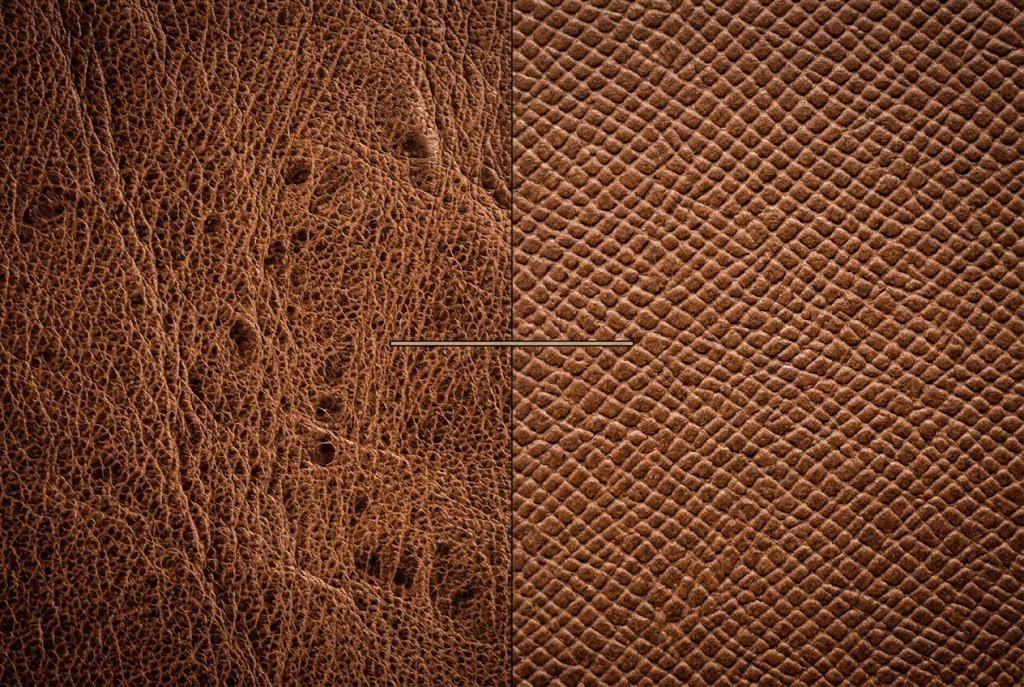
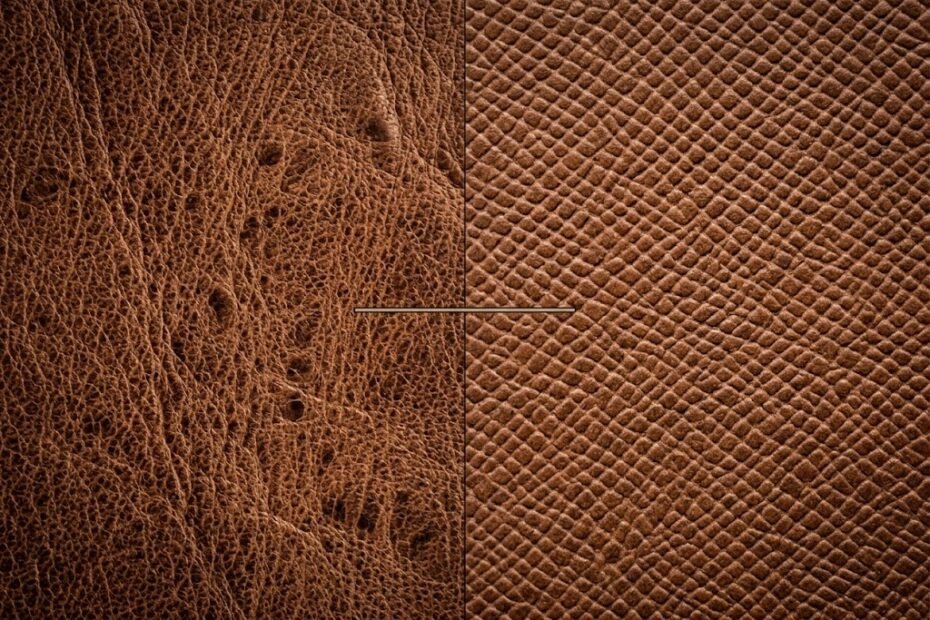
Full-Grain Leather (The Gold Standard): The complete natural grain is left entirely untouched. It features natural pores, slight organic variations, and exceptional durability. If you are examining how to identify full grain leather, look for natural pore randomness. This hide will develop a rich vegetable tanned leather jacket patina rather than wearing out.
Top-Grain Leather (The Balanced Alternative): The outermost layer is lightly buffed to eliminate minor surface blemishes, then given a light protective finish. It remains supple and strong while providing a sleeker, uniform aesthetic. Review our guide on full grain vs top grain leather to weigh their trade-offs.
Genuine / Corrected / Split Leather (The Retail Trap): The weakest bottom splits of the hide are sanded down, glued together, and stamped with an artificial grain pattern. This grade lacks structural longevity and quickly results in leather jacket peeling.
II. 7 Forensic Tests: How to Tell If a Leather Jacket Is High Quality
To audit a garment with professional precision, apply these 7 tactile, sensory, and structural benchmarks:
Test 1: The Thumb Compression & Elasticity Test
Organic hides behave like living skin because of their biological collagen matrix.
The Execution: Press your thumb firmly into the center of a leather panel and push inward.
The Result: A premium hide will produce tiny, radiating micro-wrinkles that disperse naturally around your thumbprint and snap back smoothly when released. If you are testing how to tell if a leather jacket is high quality, notice that cheap plastic-coated or bonded leather will simply depress stiffly like a rubber sheet without forming organic micro-creases.
Test 2: The Scent Analysis (Zero Petrochemical Odors)
High-end drum tanning uses natural vegetable tannins, animal fats, and clean conditioning oils.
The Execution: Bring the collar or lapel directly to your nose.
The Result: High-grade leather produces a rich, earthy, warm aroma. If the garment emits a sharp chemical stench of petroleum, polyurethane resin, or synthetic solvents, it indicates heavy synthetic top-coats. If you own a jacket with lingering packaging odors, follow our safe steps on how to get rid of leather smell.
Test 3: Weight, Drape, and Panel Consistency
Substantial hides have natural heft without feeling like rigid cardboard.
The Execution: Lift the jacket off the hanger and evaluate the drape across your shoulders.
The Result: Premium hides—whether supple what is lambskin leather, sturdy what is sheepskin leather, or heavy-duty what is cowhide leather—feel dense and fluid. Cheap makers cut costs by stitching tiny leftover scraps together, resulting in excessive, unnecessary seams across the back panel. A high-quality jacket utilizes large, continuous panels of hide.
Test 4: Stitch Density and Thread Integrity
Stitching is the structural backbone of any outerwear piece.
The Execution: Count the stitches per inch (SPI) along major stress zones like the shoulder seams, pockets, and hem.
The Result: Superior construction maintains 7 to 9 clean, uniform stitches per inch using bonded nylon or polyester thread. Low-grade jackets use loose, irregular stitching (under 5 SPI) with synthetic thread that easily frays, causing blowouts when you break in a new leather jacket.
Test 5: Hardware Metallurgy (Zippers and Snaps)
Hardware is where fast-fashion brands cut production costs first.
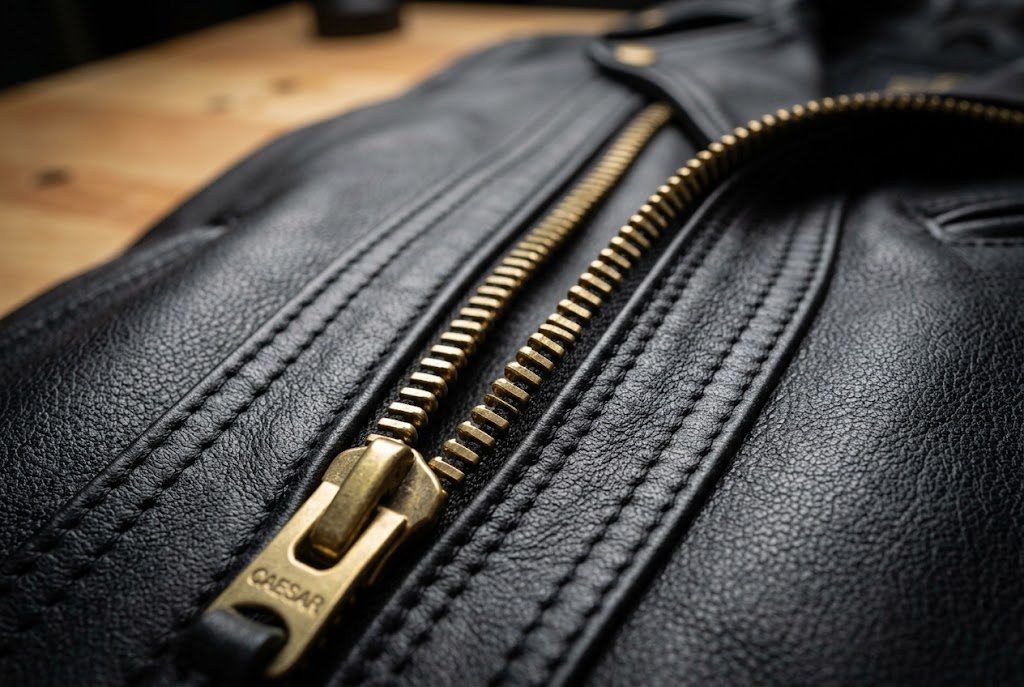
The Execution: Inspect the zipper pull, track weight, and button snaps.
The Result: High-grade jackets exclusively feature solid brass, stainless steel, or antique nickel hardware from certified suppliers like YKK (specifically their premium Excella or #8/#10 gauge lines). If you notice lightweight, hollow pot metals that jam or stick, it is an immediate indicator of cost-cutting. Learn more about hardware selection in our deep-dive on what is a moto jacket.
Test 6: Lining Breathability & Pocket Construction
A jacket’s interior reveals its manufacturing integrity.
The Execution: Check the inner fabric tag and touch the internal lining.
The Result: Cheap jackets use 100% low-grade polyester linings that trap sweat, turning the jacket into a sauna. High-end makers use breathable cupro, viscose, twill cotton, or insulated quilted linings. Explore our breakdown of interior textiles in leather jacket lining to evaluate proper internal insulation.
Test 7: Long-Term Flexibility & Recovery
Authentic leather adjusts to your body over time rather than wearing thin.
The Execution: Flex the elbow creases and check surface tension.
The Result: High-grade leather can be conditioned, stretched, and maintained for decades. If the hide ever stiffens, you can safely learn how to soften stiff leather or discover how to stretch a leather jacket without damaging the surface.
III. Material Comparison: High-End vs. Low-End Construction
According to testing frameworks published by the American Leather Chemists Association (ALCA), authentic full-substance leather exhibits high tensile tear strength and anisotropic elasticity. This breakdown contrasts genuine artisan construction against mass-market alternatives:
| Evaluation Metric | Artisan High-Quality Leather Jacket | Mass-Market Budget Leather Jacket |
| Hide Grade | Full-Grain or Premium Top-Grain | Corrected Grain, Split, or Bonded Leather |
| Panel Architecture | Large, continuous hide cuts | Small, patchwork scraps with excessive seams |
| Tannery Finishing | Aniline or Semi-Aniline drum dyeing | Thick, opaque pigment paint & plastic stamping |
| Hardware Standard | Heavy-duty solid brass / Excella grade | Hollow, lightweight alloy pot metal |
| Interior Lining | Breathable Cupro, Rayon, or Heavy Twill | Thin, non-breathable 100% cheap polyester |
| Aging Trajectory | Develops an authentic, unique patina | Cracks, delaminates, and peels within 1–2 years |
IV. Silhouette, Proportion, and Fit Engineering
When mastering how to tell if a leather jacket is high quality, the architectural cut of the garment is just as crucial as the raw hides.
Tailored Armholes and Shoulder Range: Mass-market brands cut oversized, dropped armholes to fit as many body shapes as possible. However, this causes the entire jacket to lift up whenever you raise your arms. High-end jackets feature high-cut armholes that allow full range of motion. If you have an athletic physique, check our rules for best leather jacket for broad shoulders and review our advice in the comprehensive leather jacket fit guide.
Sleeve-to-Wrist Alignment: Quality patterns ensure sleeves end precisely at the wrist bone, accommodating daily tasks and riding postures. Shorter gentlemen can reference best leather jackets for short men, while taller profiles should inspect sleeve drop specs in best leather jackets for tall guys.
Style Versatility: A well-built jacket transitions across dress codes. Whether styling leather jacket business casual for the office, layering with knitwear in a leather jacket with hoodie outfit, or adopting relaxed cuts via how to style oversized leather jacket, structural quality remains visible in every stitch.
V. FAQ: Unmasking Leather Quality & Maintenance
Does a heavier leather jacket always mean higher quality?
Not necessarily. While rugged hides like cowhide and horsehide are naturally dense, weight must not be confused with quality. Ultra-luxurious what is lambskin leather is lightweight, buttery-soft, and highly expensive. The key is fiber density and suppleness, not sheer bulk.
How can I protect a high-quality leather jacket from weather damage?
Keep your jacket conditioned and avoid prolonged exposure to severe moisture. If you get caught in unexpected weather, never use hair dryers or radiators. Follow our emergency protocols on how to clean a leather jacket and review our off-season protection blueprints in leather jacket storage tips.
Can minor tears or scratches on a good jacket be fixed at home?
Yes. Because high-quality leather consists of organic collagen fibers, minor abrasions can be smoothed out with conditioning balms. Learn the exact DIY steps to remove scratches from leather jacket surfaces or follow our guide to repair leather jacket minor seam abrasions.
VI. Conclusion: Demand Uncompromising Quality
Mastering how to tell if a leather jacket is high quality gives you the knowledge to see past designer logos and marketing hype. By auditing the hide’s pore structure, testing fiber elasticity, checking stitch density, and demanding heavy-duty hardware, you ensure that every dollar spent goes directly into craftsmanship that lasts a lifetime.
At Caesar Jackets, we eliminate wholesale middleman markups to bring you 100% genuine, master-tanned outerwear at accessible direct-to-consumer prices. Whether you are seeking iconic mens motorcycle jackets, classic mens bomber jackets, everyday mens casual jackets, or tailored womens leather jackets, our collections are built to the highest artisan standards.
Explore our curated palettes of timeless black leather jackets and rich brown leather jackets to claim your next heirloom piece today.