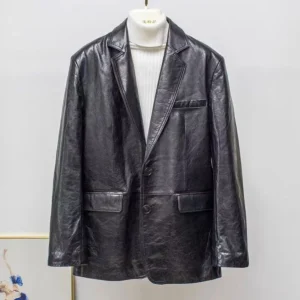
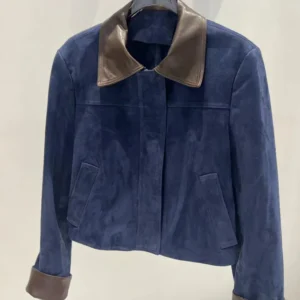
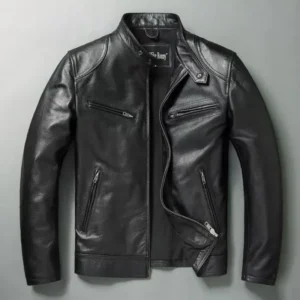
The removable liner leather jacket pros and cons come down to a single trade: one jacket that adapts across seasons, against extra weight, bulk, and care. A removable liner is an inner insulating layer — quilted, down-filled, or fleece — that zips or snaps into the leather shell and comes out again when the weather warms up. Liner in, a winter jacket; liner out, a light shell for mild days.
In short, a removable liner earns its keep if your weather swings between seasons, you travel, or you want one jacket for most of the year. If you only wear leather in deep winter, a fixed warm lining is usually simpler. Our guide to leather jacket lining covers the types.
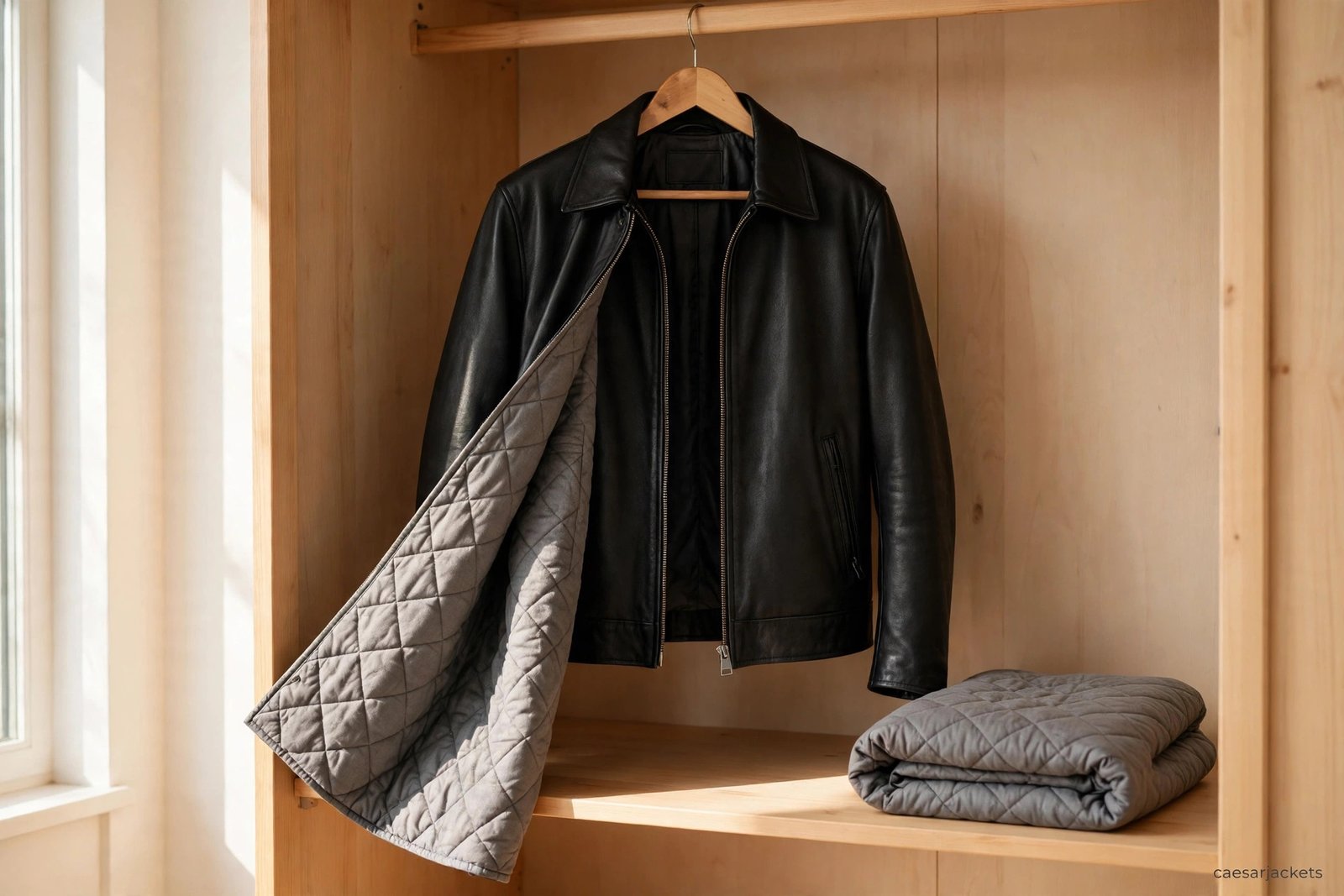
What a Removable Liner Actually Is
A removable liner is a separate insulating layer that attaches inside a leather jacket and detaches for cleaning, storage, or warm weather. Most attach with a full-length zip, some with snaps. The liner is usually quilted synthetic fill, down, or fleece.
Three things it is not. It is not a fixed lining, which is sewn into the shell and stays put. It is not a removable collar, which adds no warmth to the body. And it is not a second jacket: the shell alone is an unlined leather jacket — wind-blocking, with no insulation of its own. Our comparison of the best lining for a winter leather jacket explains how liner materials compare on warmth.
The Pros: One Jacket, Three Seasons
The main advantage is range: one jacket with a removable liner covers late autumn, winter, and early spring, instead of a lined jacket for winter plus a separate light jacket for the in-between months.
- Seasonal flexibility. Liner in on a freezing morning, liner out on a mild afternoon — you adjust to the day instead of owning a jacket per season.
- Travel. One jacket covers a trip that starts cold and ends mild; the liner packs flat when it is out.
- Layering control. With the liner out, there is room for a sweater underneath — a different kind of warmth. Our guide to how to layer a leather jacket in winter shows what fits underneath without straining the fit.
- Warm-weather storage. The shell hangs on its own in summer while the liner is folded away, instead of a heavy lined jacket taking up space all year.
None of this matters if you only wear a leather jacket in one season. Our leather jacket temperature guide sets out what different linings and layers cope with, which helps to judge how much range you need.
The Cons: Weight, Bulk, and Extra Care
A removable liner is not free: the attachment hardware and the second layer add weight and bulk over a fixed lining of similar warmth, and you feel it on a long day out.
- Fit changes with the liner. A jacket that fits well with the liner in will hang looser with it out, and one that fits with it out may be tight once the liner is in. Always try the jacket both ways before you buy.
- Two pieces to look after. The shell and the liner are cleaned separately, each under its own care label. Our guide to cleaning leather jackets and our leather jacket care guide cover the shell; the liner is a separate garment with its own instructions, and needs flat, dry storage when it is out. See our leather jacket storage tips.
- Attachments wear. Zips, snaps, and buttons are moving parts. A zip that sticks or a snap that loosens is a repair a fixed lining never needs. Check the attachment runs smoothly and holds along its full length.
A worn-out liner can be replaced, but that is a separate expense — see our guide to leather jacket lining replacement cost. Leather Naturally publishes general leather care guidance that applies to the shell, whatever liner it carries.
Removable Liner vs Fixed Lining: How They Compare
The table puts the two side by side for the situations that decide the purchase:
| Situation | Removable liner | Fixed lining |
|---|---|---|
| Cold winter days | Warm with the liner in | Warm, and simpler — nothing to attach or adjust |
| Mild autumn and spring days | Liner out: a light shell you can actually wear | Often too warm to wear |
| Variable weather and travel | Adapts day by day; one jacket covers the trip | One warmth level; pack a second layer |
| Care and storage | Two pieces to clean; attachments to maintain | One piece; clean and hang the jacket as a whole |
| Fit | Changes with the liner; try both ways | One fit, all year — easier to judge in the shop |
The pattern is consistent: the removable liner wins on range and loses on simplicity. See our guide on are leather jackets warm enough for winter for how warm a leather jacket can be with the right layers.
When a Removable Liner Is Worth It — and When It Is Not
Use your own climate and habits, not the feature list. The liner is worth it if most of these apply to you:
- Your weather swings. You get real cold and real mild days in the same season.
- You travel. One jacket that adapts beats two jackets in a bag.
- You wear it often. A jacket worn three seasons justifies the extra care; one worn six weeks a year does not.
- You own few jackets. If this is your one leather jacket, versatility is worth more than if it is one of five.
Skip it — and take a fixed lining instead — if your winters are long and your mild days are few, if you want the lightest jacket possible, or if you know you will not look after a second piece. Buying online, where you cannot try it both ways, also favours a fixed lining.
One honest check: count the days last year you would have taken the liner out. A handful means the feature is decoration; most of autumn and spring means it is the reason to buy.
What to Check Before You Buy
Run through these four before you pay:
- The attachment. Zip the liner in and out in the shop: it should run smoothly along its full length and hold without gaps.
- Coverage. The liner should cover the body and the sleeves, not just the body — a liner that stops at the shoulders leaves your arms cold.
- Fit both ways. Try the jacket with the liner in and with it out. If it only fits one way, it is the wrong size or the wrong cut.
- Both care labels. Read the liner’s label as well as the shell’s — if the liner needs treatment you will not do, the feature will not last.
If any of the four fails, keep looking. Compare lined styles in our men’s winter leather jackets and women’s winter leather jackets categories.
Frequently Asked Questions
Are removable liner leather jackets warm enough for winter?
Yes, with the liner in — provided the liner is warm enough. A down or thick quilted liner handles cold days; a thin fleece one does not. Our guide on are leather jackets warm enough for winter explains how lining and layering change the answer.
Can you wear a leather jacket with a removable liner in spring and autumn?
Yes — that is the point of the feature. Take the liner out and the shell works as a light jacket for mild days; a sweater underneath adds warmth if you need it. Our guide to how to layer a leather jacket in winter shows the combinations that work.
How do you clean a jacket with a removable liner?
Take the liner out and clean the two pieces separately, each under its own label. Never put a damp liner back into the shell. Our guide to cleaning leather jackets covers the shell; the liner follows its own label.
Does a removable liner make a jacket heavier?
Yes, somewhat. The liner plus the zip or snaps add weight and bulk over a fixed lining. Try the jacket on with the liner in before you decide.
Is a removable liner better than a fixed lining?
It depends on your weather. Swinging days favour the removable liner — one jacket covers both. A long, steady winter favours a fixed lining — simpler, lighter, nothing to maintain. Our comparison of the best lining for a winter leather jacket helps to judge the liner material.
Related Guides
- Discover the Secrets of Leather Jacket Lining
- Best Lining for a Winter Leather Jacket: 5 Rules for 2026
- Leather Jacket Lining Replacement Cost: 7 Easy Tips to Save Big
The removable liner leather jacket pros and cons add up to a simple test: changing weather means the liner earns its place; steady weather means a fixed lining does the same job with less fuss. Start with the men’s winter leather jackets and women’s winter leather jackets ranges and compare them against the four-point check. Our guide to the best leather jackets for winter rounds out the options. The Leather Working Group publishes leather production standards, a useful reference when judging the leather itself.