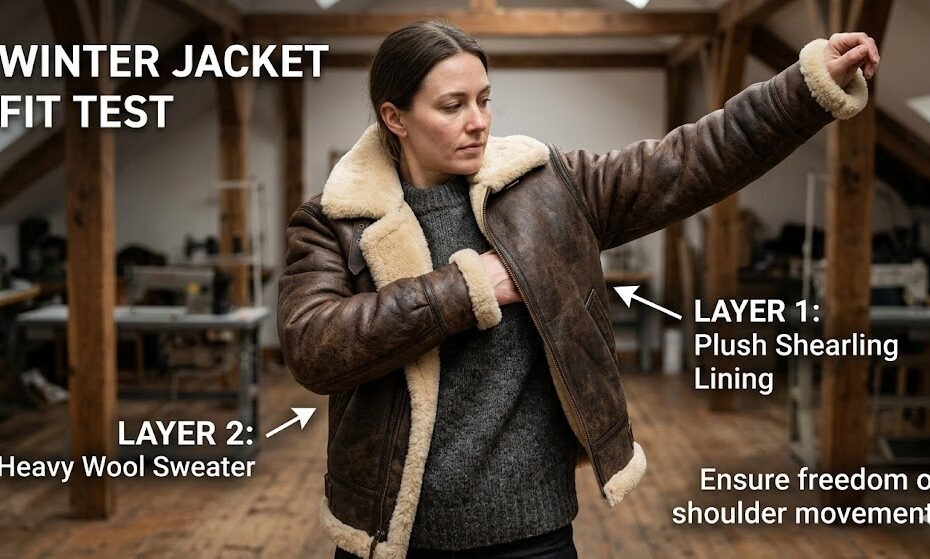
When temperatures drop and icy winds begin to howl, a standard leather jacket alone will not keep you warm. While the outer leather shell is magnificent at deflecting biting winds and light sleet, it has virtually no inherent insulating properties. In fact, raw animal hide can become quite cold to the touch in sub-zero environments. The true secret to staying warm, comfortable, and stylish during the coldest months lies entirely beneath the surface.
Investing in the best lining for a winter leather jacket is the single most critical decision you will make when purchasing cold-weather outerwear. A poorly chosen lining will leave you shivering in December, while the correct material will turn your jacket into an impenetrable shield against frostbite.
In this comprehensive guide, we will analyze the technical specifications, thermal insulation values, comfort levels, and stylistic impacts of the top jacket linings available in 2026. Whether you are navigating freezing city streets or embarking on a snowy highway ride, here are the ultimate rules for selecting your winter insulation.
1. Why the Inner Lining Dictates Winter Survival
Before exploring the individual materials, it is vital to understand the physics of winter outerwear. The outer leather skin acts as a windbreaker, blocking external airflow from reaching your body. However, human bodies constantly radiate heat. To stay warm, you need an inner layer that traps this radiant heat in tiny air pockets. This concept is what textile experts refer to as thermal loft.
Without a dedicated winter lining, your body heat escapes instantly through conduction. Furthermore, a high-quality lining prevents your skin’s natural oils and sweat from degrading the interior of the leather hide, extending the lifespan of your investment piece by decades. If you are curious about how a jacket’s outer shell works in tandem with the interior, feel free to read our foundational analysis on the complete leather jacket lining system.
Choosing the best lining for a winter leather jacket also changes how the garment drapes over your body. Thick insulating layers add bulk, which alters your sizing choices, while lighter technical fabrics maintain a slim, tailored silhouette at the expense of traditional heritage aesthetics.
2. The Heavyweights: Shearling and Genuine Fur Linings
When pure, unadulterated warmth is your primary objective, natural animal piles reign supreme. For centuries, these materials have been trusted by pilots, explorers, and high-end fashion houses to survive the absolute worst winter conditions.
The Gold Standard of Natural Insulation: Shearling
Shearling is a sheepskin hide that has been tanned with the wool still firmly attached to the skin. This means you get a heavy-duty leather exterior and a dense, wooly interior from a single, continuous piece of material. The structural crimp of sheep wool fibers creates millions of microscopic air pockets that trap warm air with unmatched efficiency.
Beyond thermal performance, shearling is naturally breathable and moisture-wicking. It can absorb up to 30% of its own weight in moisture without feeling wet to the touch, keeping you dry even if you break a sweat while walking. For the ultimate luxury experience, many modern designers utilize premium skins. Discover the structural differences of this material in our guide to what is sheepskin leather.
High-End Fur Accents and Full Linings
For an even loftier tier of luxury and heat retention, genuine fur liners—such as ferret down or rabbit fur—are heavily utilized in high-end winter collections. These linings provide a silk-like texture against the skin while offering heavy-duty protection against sub-zero drafts.
They are often paired with a removable mechanism, allowing you to transition the garment between late autumn and deep winter. If you want to see this premium integration in action, look at our handcrafted mens genuine leather down jacket ferret fur collar winter for inspiration.
3. Quilted Linings and Synthetics: The Modern Engineered Approach
If you prefer a jacket that avoids heavy animal fibers or you want a lighter, more agile feel, synthetic quilted linings provide an excellent modern alternative.
Understanding Quilted Construction
A quilted lining consists of an insulating batting material—usually polyester fiberfill, down feathers, or synthetic insulation—sandwiched between two layers of lightweight woven fabric, such as nylon or polyester satin. The decorative diamond or grid stitching pattern is not just for visual aesthetics; it serves the critical functional purpose of preventing the internal insulation from shifting, clumping, or settling at the bottom of the jacket over time.
According to global textile manufacturing standards published by Britannica, synthetic polyesters can be engineered to mimic the cellular structure of natural down feathers, providing exceptional warmth-to-weight ratios.
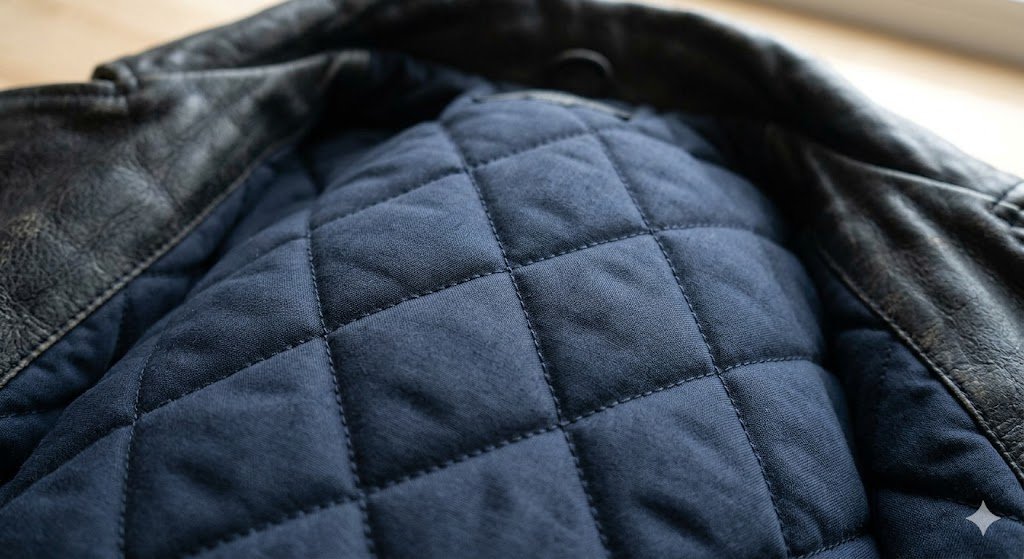
Synthetic Insulation Varieties
Thinsulate & Polyester Fiberfill: These synthetic microfibers are incredibly thin, allowing garments to maintain a low profile while trapping abundant body heat. They are highly hydrophobic, meaning they retain their insulating properties even if exposed to moisture.
Down-Filled Blends: Combining real goose or duck down within a leather shell creates a heavy-duty hybrid jacket. This gives you the puffy warmth of a winter parka combined with the rugged windproofing of a leather coat. For extreme climates, exploring options like our mens leather duck down jacket winter lapel black blue can provide the dual-layer defense you need.
4. Comparing the Contenders: Thermal Value vs. Daily Practicality
To determine the absolute best lining for a winter leather jacket for your personal routine, we must compare how these materials perform across several operational metrics.
While shearling provides incredible luxury, it might be too heavy for someone living in a moderate climate. Conversely, a slick satin lining will leave a commuter freezing in northern latitudes.
| Lining Material | Thermal Insulation Level | Weight & Bulk | Moisture Breathability | Best Weather Use Case |
| Genuine Shearling | Maximum (Excellent) | Heavy / High Bulk | Outstanding (Natural) | Extreme Sub-Zero, Dry Snow |
| Quilted Polyester/Down | High (Great) | Medium / Moderate Bulk | Moderate (Synthetic) | Freezing Wet Winter, Sleet |
| Ferret/Rabbit Fur | Maximum (Excellent) | Heavy / Moderate Bulk | High (Natural) | Luxury Formal Winter Wear |
| Thick Fleece / Sherpa | Medium-High (Good) | Medium / High Bulk | Low to Moderate | Casual Daily Winter Commuting |
| Standard Satin/Silk | Very Low (Poor) | Ultra-Light / Slim | High (Satin dependent) | Early Autumn, Indoor Events |
As illustrated by the data, if your geographical region experiences bone-chilling winters with consistent sub-zero forecasts, natural shearling or heavy-duty quilted down stands out as the best lining for a winter leather jacket.
If you are trying to figure out if standard leather options can make the cut without heavy modifications, check out our community deep-dive answering: are leather jackets warm enough for winter.
5. Maintenance, Longevity, and Cleaning Realities
An often-overlooked aspect of selecting the best lining for a winter leather jacket is the maintenance required to keep the interior clean, fresh, and odor-free over a lifetime of seasonal use.
Caring for Natural Linings (Shearling & Fur)
Natural wool and fur linings require delicate handling. You cannot simply throw them into a washing machine or spray them with aggressive chemical deodorizers. Wool fibers contain natural lanolin, which repels dirt naturally, but they can absorb environmental odors such as cigarette smoke, woodfire, or fuel emissions.
To clean a shearling interior, you must use a specialized suede brush to clear away loose debris and allow the jacket to air out in a well-ventilated, shaded room. If your jacket ever absorbs stubborn odors from winter commutes, read our practical steps on how to remove cigarette smell from leather to safely restore your garment.
Maintaining Quilted Synthetic Linings
Synthetic interiors are much tougher when dealing with accidental liquid spills or sweat stains. They can be spot-cleaned using a mild detergent and a damp microfiber cloth without any risk of shrinking or damaging the fibers.
However, you must ensure that the inner insulation remains completely dry before storing the garment for the summer to prevent internal mildew. For long-term seasonal care instructions, bookmark our definitive leather jacket storage tips to keep your outerwear pristine during the off-season.
6. Sizing Rules: How a Thick Lining Alters Your Fit
A major mistake many shoppers make when tracking down the best lining for a winter leather jacket is forgetting to adjust their sizing. A thick, plush shearling lining or a heavy quilted down layer can decrease the interior circumference of a jacket by up to a full size.
When purchasing a winter jacket, you must factor in your layering habits. If you plan to wear thick wool sweaters, cardigans, or heavy hoodies underneath your leather coat, a thick lining will constrict your shoulder articulation and armholes if you buy your standard spring size.
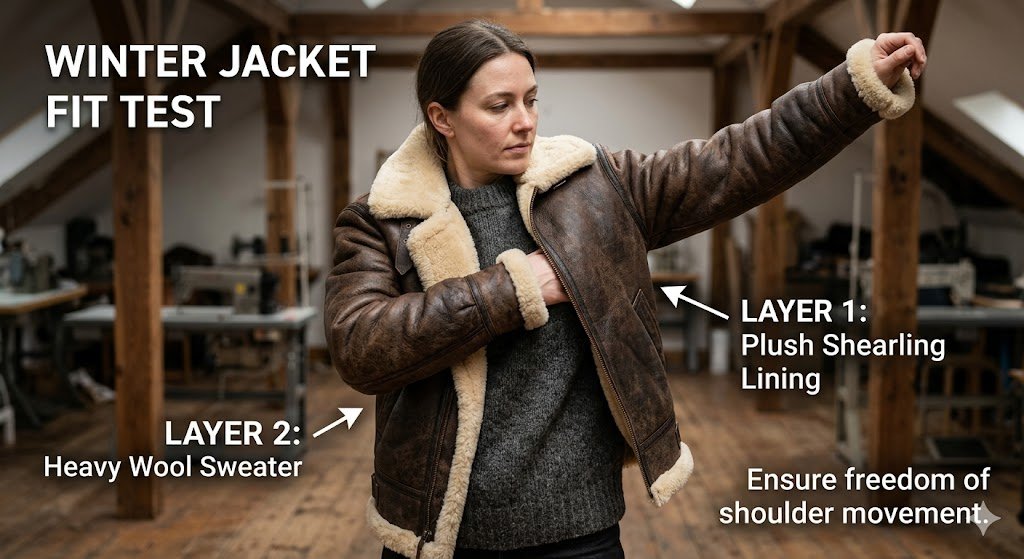
To avoid a restrictive fit, look for jackets engineered with high-cut armholes or consider sizing up by one increment if the product description notes a thick insulation profile. For exact tailoring parameters, consult our comprehensive leather jacket sizing guide for men to guarantee full range of motion.
7. Sustainable Sourcing and Industry Standards
In 2026, premium craftsmanship is inextricably linked with environmental responsibility. When evaluating natural linings like wool, shearling, and genuine hides, looking for verified supply chains ensures your garment is safe, ethical, and built to last.
The Leather Working Group enforces rigorous environmental and chemical safety audits on tanneries worldwide. Choosing brands that source from certified facilities guarantees that the tanneries responsible for your jacket’s lining adhere to strict water-treatment and non-toxic processing guidelines. This prevents residual chemical odors from ruining your wearing experience—a common issue found in cheap, mass-produced fast-fashion leather goods.
Conclusion: Designing Your Perfect Winter Shield
Selecting the best lining for a winter leather jacket ultimately depends on balancing your local winter severity against your personal style preferences.
Go with Genuine Shearling or Fur if your winters are punishingly cold, and you want an investment piece that offers unmatched heritage prestige, natural breathability, and elite heat retention.
Opt for a Heavy Quilted Synthetic or Down Lining if you live in wet, sleety climates where high moisture resistance, simple maintenance, and lightweight utility are critical for your daily routine.
No matter which path you choose, never settle for an unlined or thinly lined jacket when the freezing weather hits. A premium leather jacket is an investment intended to last a lifetime—ensure the interior keeps you as warm as the exterior keeps you looking sharp.
Upgrade Your Winter Armor Today
Don’t let the freezing temperatures compromise your style this season. Discover our elite collection of weather-tested outerwear by browsing our mens winter jackets page for rugged, high-loft designs. Looking for a chic, cozy layer for those frosty evenings? Explore our beautifully insulated womens winter jackets collection to find your ultimate winter shield for 2026!