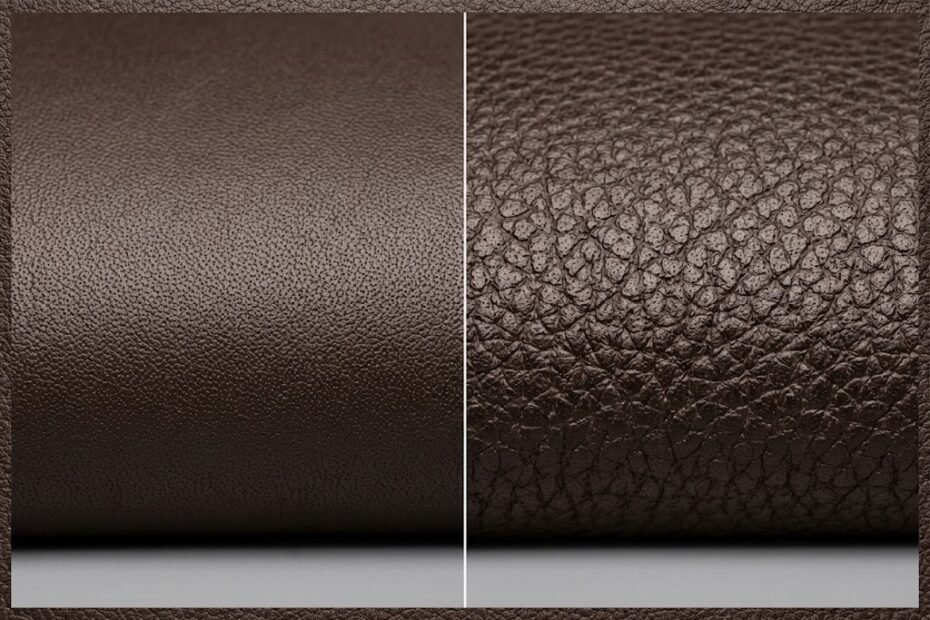
When investing in a high-quality leather jacket or premium leather goods, the hide you select fundamentally determines everything from the weight and drape of the garment to its long-term durability and break-in period. Two of the most celebrated and widely used materials in luxury menswear and outerwear are lambskin and cowhide. However, comparing lamb leather vs cow leather reveals two distinctly different materials engineered for entirely different lifestyles, climates, and aesthetic priorities.
In 2026, modern outerwear design blends traditional tailoring with high-performance function. Choosing the wrong hide can mean the difference between an everyday luxury staple that drapes effortlessly over a t-shirt and a stiff piece of heavy armor that requires months of physical breaking in. Understanding the physical grain structure, tensile strength, and functional applications of lamb leather vs cow leather allows you to make an informed investment tailored to your specific wardrobe needs.
Structural Differences: Microscopic Density and Grain Texture
The fundamental difference between these two hides originates at the cellular and biological level. Animal size, age, and natural habitat dictate the density of the collagen fibers within the skin.
Lamb leather is sourced from young sheep, producing a hide that is remarkably fine-grained, exceptionally lightweight, and silky to the touch. The surface grain is delicate and smooth, offering an instant, buttery softness right off the rack. In contrast, cowhide comes from mature cattle, featuring a dense, tightly woven network of thick collagen bundles. This gives cowhide a distinct, pronounced natural pebble texture, significant physical heft, and an uncompromising structural rigidity. For a deeper breakdown of the technical qualities of young ovine hides, explore our detailed analysis on what is lambskin leather.
Durability and Abrasion Resistance: Armor vs. Luxury
When evaluating long-term performance, your intended daily use should dictate your choice between these two materials.
| Performance Attribute | Lamb Leather | Cow Leather |
| Material Weight | Ultra-lightweight (0.6mm – 0.9mm) | Heavyweight (1.1mm – 1.4mm+) |
| Initial Hand-Feel | Buttery, pliable, zero break-in needed | Rigid, stiff, requires extensive break-in |
| Abrasion Resistance | Moderate; susceptible to sharp snags | Maximum; resists road rash and heavy scrapes |
| Water Resistance | Low; highly porous and delicate | High; naturally repels light precipitation |
| Drape & Fit | Contours tightly to body lines | Structured, boxy, holds its own silhouette |
Cow leather is the undisputed king of durability. Its thick, fibrous cross-section makes it highly resistant to tearing, puncturing, and heavy surface friction. It is the gold standard for protective riding gear and hard-wearing utilitarian coats. Lamb leather, while strong enough for decades of casual and social wear, has a softer surface that can snag or scratch more easily against abrasive objects. If you want to understand how heavy cattle hides compare to other robust livestock hides, check out our guide on what is cowhide leather.
Weight, Warmth, and Climate Adaptability
Climate is another major deciding factor when weighing lamb leather vs cow leather. Because lambskin is naturally thin and lightweight, it breathes exceptionally well and drapes closely to the body. This makes it the ideal material for spring, autumn, and mild indoor environments. You can easily layer a tailored lambskin coat under an overcoat or wear it open over a linen shirt during transitional seasons.
Cowhide is heavy and inherently windproof. Its thickness creates an impenetrable barrier against harsh gusts, but its substantial weight can make it uncomfortably warm or cumbersome in mild weather. When lined with insulating fleece or thermal quilting, cowhide excels in sub-zero winter temperatures. If you need extreme cold-weather protection combined with maximum structural warmth, explore our heavy-duty collection of mens winter leather jackets.
Break-In Period and Long-Term Patina
The tactile journey of owning each leather type is fundamentally different from day one.
Lamb Leather (Instant Gratification): Lambskin requires virtually zero break-in time. It molds immediately to your shoulders, arms, and torso, moving seamlessly with your natural gestures from the very first wear. It maintains a consistent, refined appearance with minimal creasing over time.
Cow Leather (The Long-Term Reward): A new cowhide jacket is notoriously stiff and can feel restrictive around the elbows and shoulders. However, as your body heat and movement work the thick fibers over months of wear, it develops a deep, personalized patina and molded character that is entirely unique to the wearer. To learn how to accelerate this process safely, consult our guide on how to break in a leather jacket.
Best Uses for Each Silhouette and Style
Matching the hide to the right garment silhouette ensures your outfit looks intentional and well-proportioned.
Lamb leather shines in refined, sleek, and minimalist cuts such as slim-fit cafe racers, tailored blazers, and lightweight bombers. The fluid drape prevents bulkiness, making it an excellent choice for pairing with dress shirts and trousers. To see how a lightweight hide integrates into professional environments, review our guide on leather jacket business casual styling.
Cowhide is best suited for rugged, heritage, and utilitarian silhouettes, including classic asymmetrical double-riders, utility field coats, and heavy-duty flight jackets. The thick leather supports heavy zippers, snaps, and waist belts without sagging. If you are shopping for an iconic biker silhouette built from sturdy hides, check out our curated mens biker leather jackets lineup.
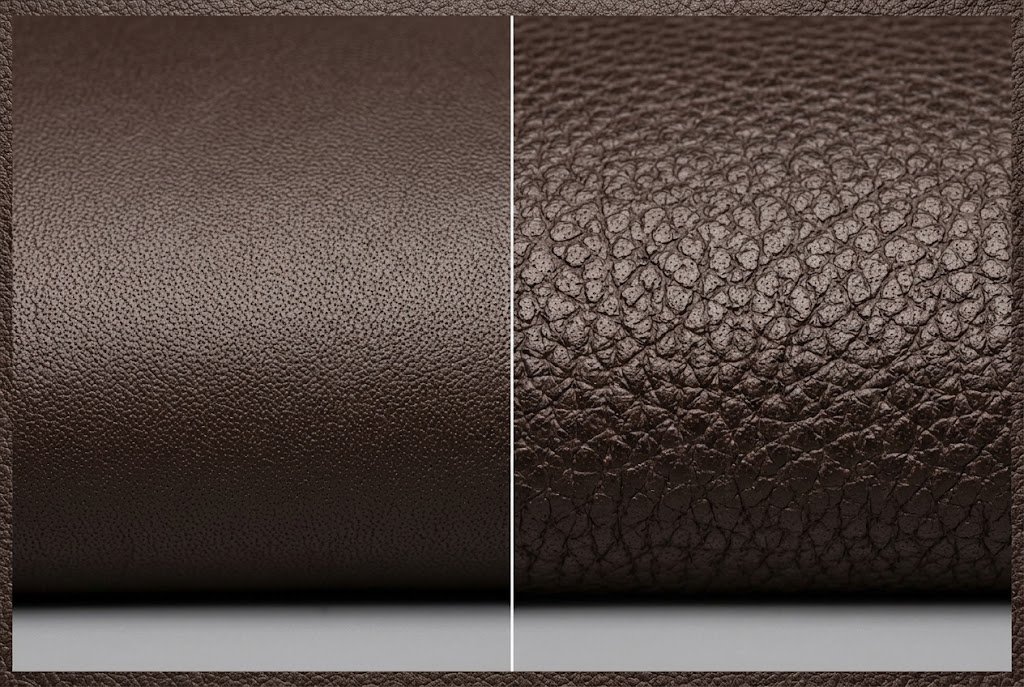
Internal and External Resources
To ensure your luxury outerwear decisions are backed by comprehensive leather knowledge, explore these authoritative resources:
Internal: Want to explore similar ovine alternatives? Read our detailed comparison on lambskin vs sheepskin leather traits.
Internal: Discover how to maintain both hides over their lifespan with our leather jacket care guide.
External: Visit the Leather Working Group to study international environmental standards for cattle and sheepskin tanning processes.
External: Consult the materials and textile archives at Britannica for detailed historical and scientific overviews of animal hide tanning methods.
Conclusion
When deciding between lamb leather vs cow leather, there is no universal winner—only the best match for your daily routine. If you prioritize immediate, buttery comfort, lightweight flexibility, and refined evening or transitional wear, lambskin is the premier choice. If your priority is maximum abrasion resistance, rugged all-weather protection, and an authentic heritage piece that gets better with every decade of hard wear, cowhide remains unbeatable. Evaluate your climate, lifestyle, and aesthetic preferences honestly to select a piece of craftsmanship you will treasure for years.